
Village Speech and Political Awakening
The PeasantsThis thread traces how education, public discussion, and competing languages shape the villagers’ limited political awakening.
increasing Bearing strength in each event
 decreasing
Bearing strength in each eventdecreasingThe Village Has Its Own Voice
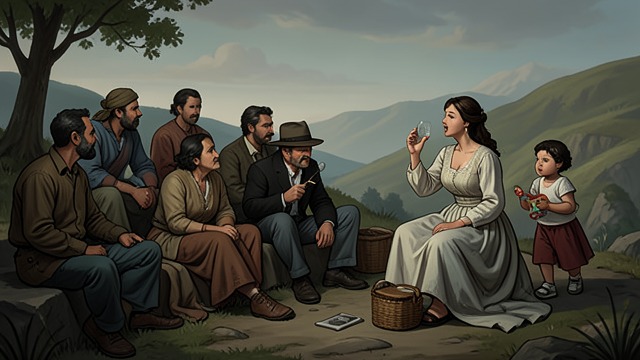
The Village Has Its Own Voice
Many registers
Reymont’s village narration moves among formal speech, local dialect, songs, proverbs, and communal talk.
Language as experience
The mixture presents peasants as people with a language and worldview of their own, not merely as imperfect copies of elites.
Rocho Teaches and Tells
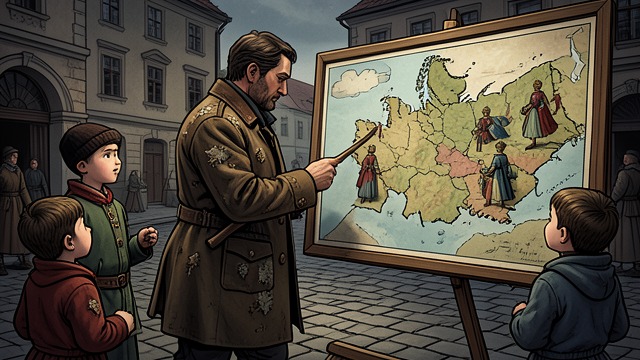
Rocho Teaches and Tells
Literacy and memory
Rocho teaches children and tells village audiences stories of Poland, kings, and distant places.
New horizons
His teaching offers ways to imagine a world beyond the manor and the village, though its reach remains uncertain.
Young Men Debate the Future
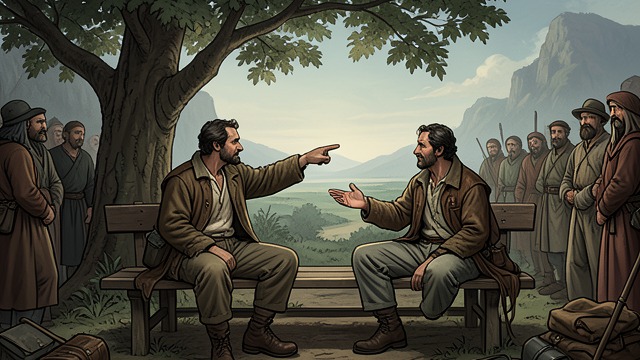
Young Men Debate the Future
A new political conversation
Antek and Grzela discuss the forest, land, schooling, and the limits imposed on young people by elders and officials.
Different methods
Their debate moves between direct action, legal strategy, and collective organization without resolving which route can succeed.
Officials Control the School
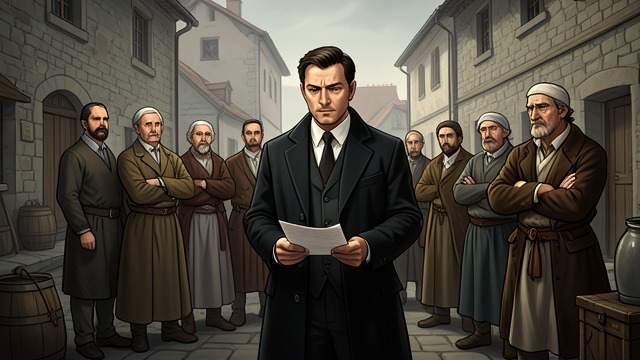
Officials Control the School
A vote under pressure
The prefect presents a school-tax proposal, and villagers’ objections are overruled by the authority of the state.
Political frustration
The episode reveals how difficult it is for ordinary people to turn discussion into a binding decision of their own.
A Fragmented Awakening
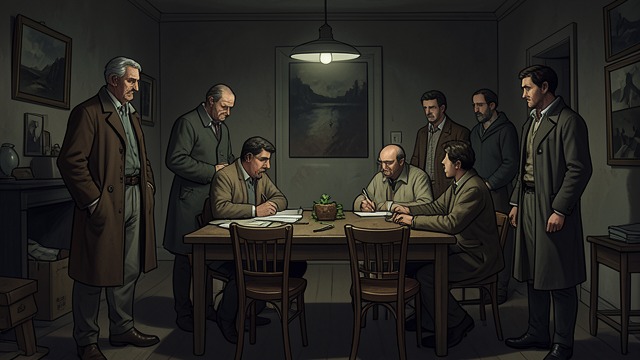
A Fragmented Awakening
Solidarity remains partial
Land purchases, village meetings, and common labor offer hints of cooperation, but old hierarchies and rivalries persist.
A political possibility
The community’s political future remains open, defined by how it speaks, learns, and acts together.
through the opening autumn
winter
spring
summer
near the ending
